Packaging Engineering for Ro water purification systems Exports: Where Damage, Cost and Brand Intersect
Packaging is the only part of a RO water purification systems order that must survive a three-week ocean crossing, six hand-offs, and two customs regimes before the customer ever sees the product â yet it is usually specified in one line: 'export carton'. This guide treats packaging as engineering, because it is.
Carton specifications are the quietest cost lever in a ro water purification systems programme: over-built and you ship air-weighted cardboard; under-built and you fund claims and replacements. Between the two sits an engineering answer derived from your actual distribution chain.
This guide walks through the import process for water treatment and beverage processing equipment step by step, from first enquiry to delivery, based on the experience of é西è¾æ©ä¼¦ç¹é
¿é ææ¯æéå
¬å¸ (www.aelt-brewing.com) in exporting to more than forty countries.
What to Prepare Before You Contact a Supplier
A well-prepared enquiry gets a faster, more accurate quotation. These are the details a supplier needs.
Technical specification: capacity, dimensions, voltage, material and performance requirements.
Quantity and SKU mix: order volume by model, not a single aggregate number.
Target price indication: a ballpark helps the supplier propose the right configuration.
Destination port or address: determines freight and delivery terms.
Certification needs: any market-specific compliance requirement.
Packaging and branding: neutral, retail or private-label.
Delivery timeline: when you need the goods in hand, not just shipped.
Understanding Incoterms
Incoterms define where the supplier's responsibility ends and yours begins. Choosing the right term avoids disputes over cost and risk.
| Term | Supplier Responsibility | Buyer Responsibility | Best For |
|---|
| EXW | Makes goods available at factory | All transport and export | Buyers with strong logistics |
| FOB | Delivers to origin port, clears export | Freight and import | Most common for sea freight |
| CIF | Adds freight and insurance to destination | Import clearance and duty | Buyers new to importing |
| DDP | Delivers duty paid to your door | Nothing until unloading | Turnkey convenience |
For first-time importers, CIF or DDP simplifies the process at the cost of some transparency. Experienced buyers often prefer FOB so they control the freight forwarder and can optimise cost.
Choosing the Right Transport Mode
Transport mode is a trade-off between speed, cost and cargo characteristics.
| Mode | Transit Time | Cost | Best For |
|---|
| Sea FCL | 25â40 days | Lowest | Large volume, full container |
| Sea LCL | 30â45 days | Medium | Small volume, shared container |
| Air | 5â10 days | Highest | Urgent or high-value |
| Rail | 15â25 days | Medium | Inland Europe, balanced speed |
For heavy industrial goods, sea freight almost always wins on cost. For urgent spare parts or high-value items, air freight may be justified. Confirm the volumetric weight because bulky low-density cargo is charged by volume, not mass.
Documentation and Customs Clearance
Incomplete documentation is the most common cause of customs delay. The standard set includes:
Commercial invoice: value, description and terms of sale.
Packing list: contents, weights and dimensions per package.
Bill of lading or airway bill: the transport document.
Certificate of origin: may reduce duty under a trade agreement.
Inspection or test certificates: required for regulated products.
Compliance declarations: CE, FDA or other market-specific documents.
Classify your product with the correct HS code early. Misclassification can trigger penalties and delays, and it also determines the duty rate.
Customization for Your Market

Selling imported goods successfully usually requires adaptation to local expectations.
Voltage and frequency: match the local power supply.
Language: manuals, labels and packaging in the market language.
Compliance text: importer identification and safety statements.
Packaging: retail-ready or transit-safe configurations.
Barcode: your GS1 barcode for retail channels.
Discuss customization before the first order, because changes to tooling and artwork affect lead time and MOQ.
Payment Terms and Risk Management
Standard payment terms balance risk between buyer and seller. Common arrangements include a deposit with the balance against a copy of the bill of lading, letters of credit, and open account terms for established relationships.
For first orders, a deposit-plus-balance structure is normal. As trust builds, more flexible terms become available. Always confirm the terms in writing and use secure payment channels.
Working with a Freight Forwarder
A good freight forwarder is worth more than a small difference in rate. They handle booking, documentation, customs brokerage and last-mile delivery, and they warn you about regulatory changes.
Ask for a door-to-door quotation and compare total landed cost rather than headline freight rate. Confirm which charges are included and which are billed separately.
Sample Landed Cost Breakdown
Landed cost is the only meaningful basis for comparing suppliers. This table shows the typical components.
| Cost Component | Typical Share | Notes |
|---|
| Product cost (FOB) | 60â75% | The negotiable portion |
| Freight | 8â18% | Depends on mode and volume |
| Insurance | 0.3â1% | Recommended for sea freight |
| Import duty | 0â15% | Depends on HS code and origin |
| Customs clearance | 2â5% | Brokerage and handling |
| Inland delivery | 2â6% | From port to warehouse |
| Inspection | 0.5â2% | Optional but recommended |
Model these components before you negotiate. A supplier with a slightly higher FOB price but better packing efficiency can deliver a lower landed cost.
Compliance Documents You Will Need
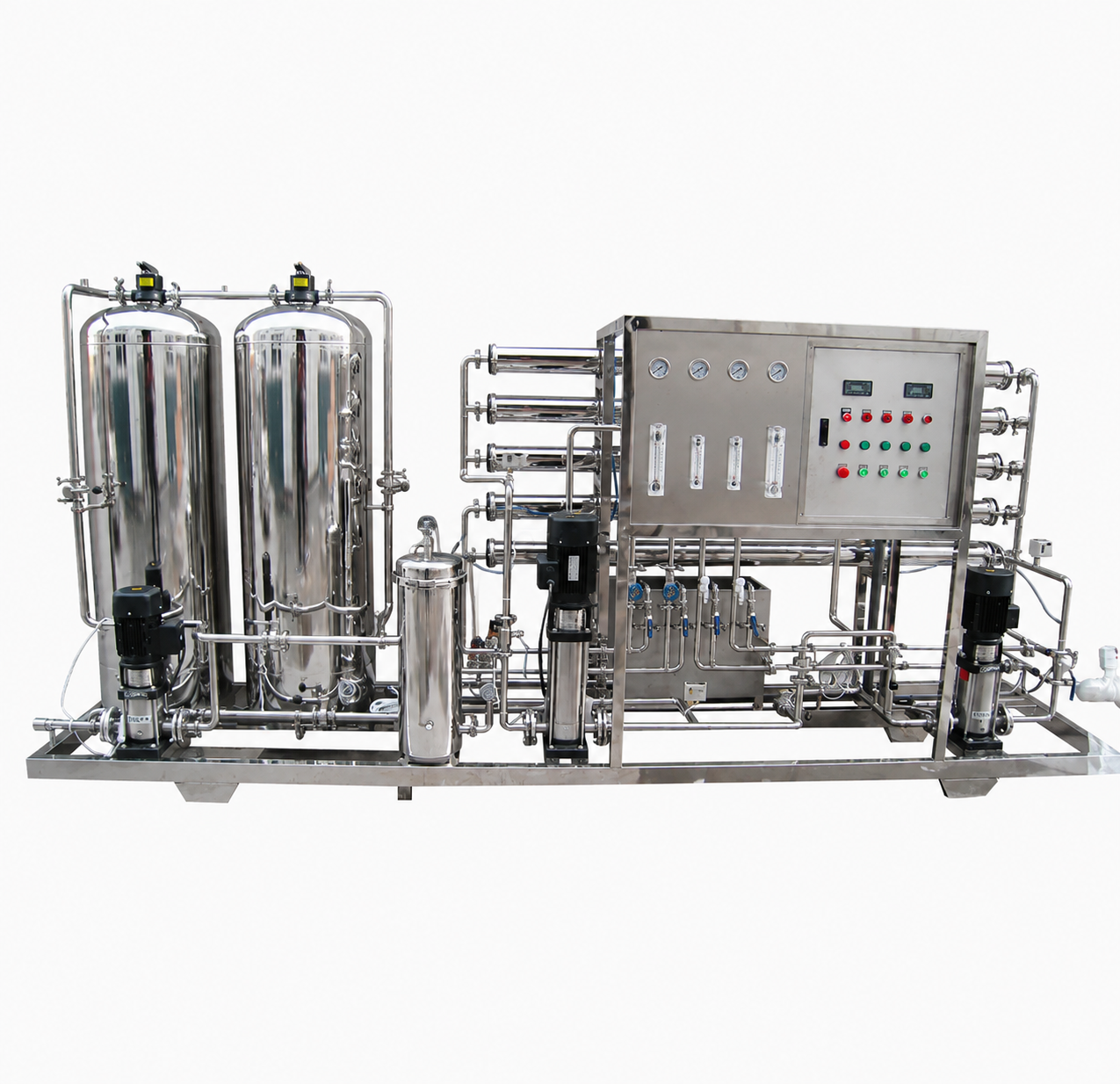
Regulatory requirements vary by market. These are the documents most commonly requested for this product category.
WHO drinking water guidelines: ensure the shipment documentation references this standard where applicable.
NSF/ANSI 61: ensure the shipment documentation references this standard where applicable.
ISO 9001: ensure the shipment documentation references this standard where applicable.
CE: ensure the shipment documentation references this standard where applicable.
CE: obtain a copy for customs and for your own records.
ISO 9001: obtain a copy for customs and for your own records.
NSF/ANSI 61: obtain a copy for customs and for your own records.
The Import Process, Step by Step
Follow this sequence to keep a first import on schedule.
Prepare a complete technical specification and enquiry.
Obtain quotations on a consistent Incoterm.
Approve samples and confirm the final specification.
Agree payment terms, lead time and packaging.
Confirm the HS code and duty rate for your market.
Arrange freight and insurance with a forwarder.
Complete pre-shipment inspection before release.
Clear customs and arrange inland delivery.
Inspect on arrival and record results.
How Do You Negotiate Ro Water Purification Systems MOQ Without Distorting the Economics?
Every MOQ negotiation trades one currency for another; the buyer's job is choosing the trade deliberately. The standard levers, ranked by how painless they usually are:
| Lever | What You Give Up | When It Works Best |
|---|
| Standardise variants | Colour, packaging or spec variety | Multi-variant programmes where one variant is enough to start |
| Accept a price ladder | Slightly higher unit price on the small order | Trial orders; the gap often disappears at reorder volume |
| Split the delivery | Full MOQ produced, shipped in two lots | When cash or warehouse space, not production, is the binding constraint |
| Stocking agreement | Supplier holds or you pre-pay the tail | Ongoing programmes with predictable repeat demand |
| Family tooling | Shared mould across your own SKUs | Custom parts within one product family |
The one lever to avoid is the unverbalised one: accepting an MOQ you cannot sell and letting it quietly become stock. MOQ pressure is information â it tells you the supplier's production economics â and the honest response is either a trade from the table above or a different supplier whose minimum fits your demand. Forcing the fit with a purchase nobody planned is how {indl} warehouses fill with slow-moving inventory that was 'a good price' once.
Frequently Asked Questions
Which Incoterm is best for a first import?
CIF or DDP is easiest for a first shipment because the supplier arranges more of the process. Experienced importers often move to FOB to control freight cost and the forwarder relationship.
How long does shipping take from China?
Sea freight takes roughly 25â45 days depending on route and service, air freight 5â10 days, and rail 15â25 days to inland Europe. Add production lead time before shipment.
How do I find the correct HS code?
Ask your customs broker or the supplier for the recommended classification, then verify it with your local customs authority. Incorrect classification can cause penalties.
Do I need a pre-shipment inspection?
It is strongly recommended for first orders. A third-party inspection verifies quantity, quality and packaging before the goods leave the factory.
What payment terms are normal?
A deposit with the balance against shipping documents is common for first orders. Letters of credit are used for larger transactions, and open account terms develop with established relationships.
Can the supplier handle branding and packaging?
Yes. Most factories offer private-label packaging, custom marking and market-specific documentation. Confirm MOQ implications early.
How do I avoid unexpected charges?
Request a door-to-door quotation itemising all charges, confirm which are included, and model the full landed cost before ordering.
What if the goods arrive damaged or short?
Document the condition on arrival with photographs, notify the supplier and forwarder promptly, and reference your inspection and insurance terms.
The RFQ Information Pack: What to Send Suppliers for Quotes That Hold
Quotations vary wildly not because suppliers are careless but because RFQs are vague: each supplier fills the gaps with their own assumptions, and the assumptions differ. The cure is an information pack sent identically to every supplier in the running, and the pack is short:
A specification sheet with tolerances, not adjectives: 'high quality finish' invites three interpretations; 'Ra 1.6 on visible surfaces' invites one.
The target annual volume and the first-order size, stated honestly: both numbers shape the pricing structure, and fake numbers price the wrong production plan.
Packaging and labelling requirements: artwork expectations, carton marks, destination-market language â the details that reprice after the fact when omitted.
Destination port and incoterm: logistics legs left open are priced differently by everyone, which is how quotation comparisons go false.
The compliance requirements for the destination market: the standards, marks and documentation the goods must carry, named explicitly.
A quotation template: unit price at three volume breaks, tooling as a separate line, lead time from deposit, payment terms, validity period â so the answers come back comparable.
The pack converts quotation review from archaeology to comparison: every supplier answered the same question, and deviations are visible as deviations. Suppliers respond to it well, too â a complete RFQ signals a buyer who will place and manage orders competently, and the pricing that follows tends to reflect that signal.
Export Packaging Engineering: The Carton as a System
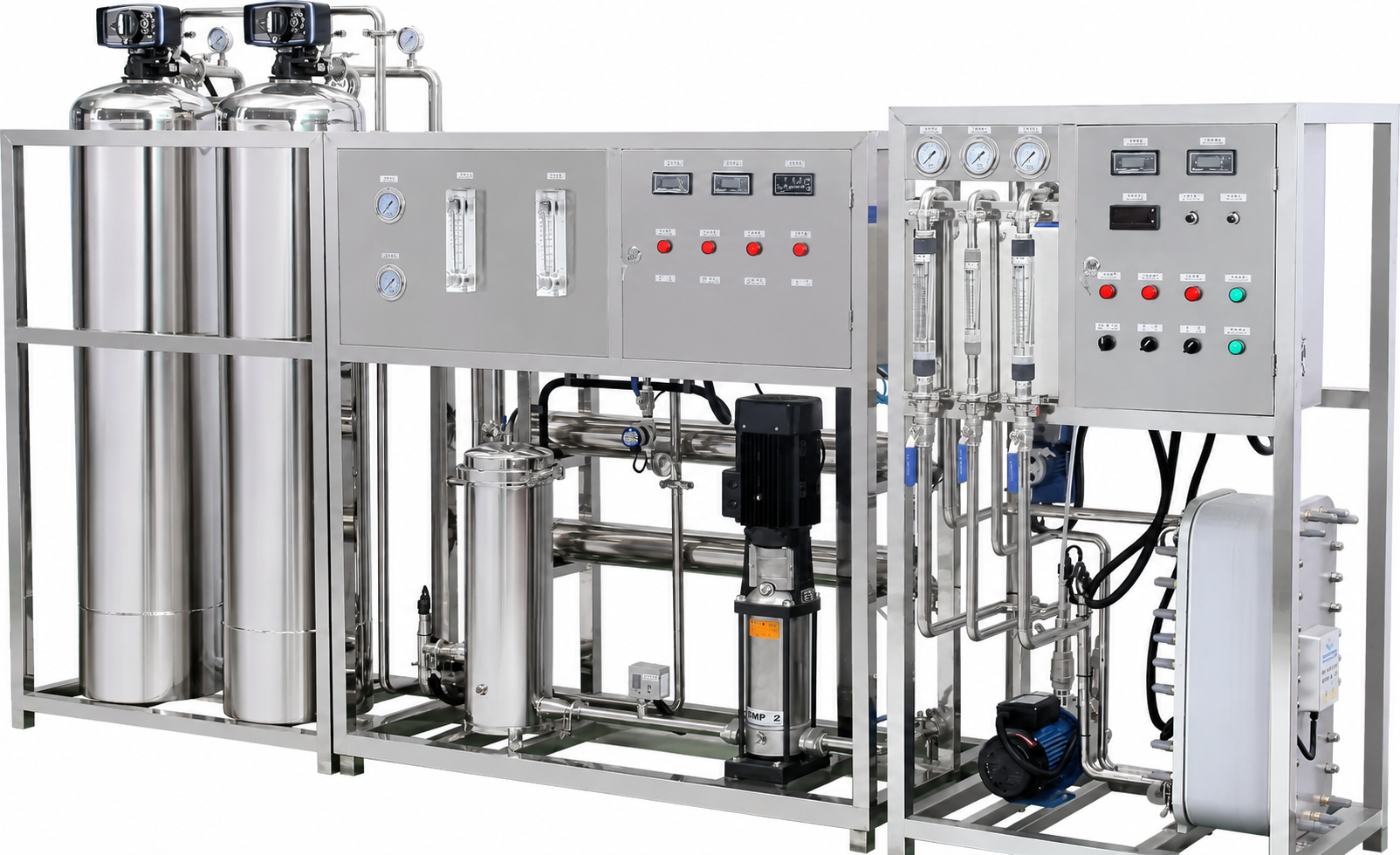
Packaging decisions cascade: the inner box determines the master carton, the master carton determines pallet configuration, the pallet determines container utilisation, and container utilisation quietly reprices the whole programme. Work the chain in order:
| Layer | Design Decision | Downstream Effect |
|---|
| Unit box | Retail-ready or plain? Language requirements? | Artwork lead time and reprint risk enter the schedule |
| Master carton | Cube efficiency vs single-hand weight (â¤15â20kg) | Warehouse ergonomics and damage rates at every hand-off |
| Palletisation | Carton-to-pallet fit, stacking strength, wrap | Container fill percentage â often 5â10% of landed cost |
| Container plan | Floor-loaded vs palletised, dunnage, moisture control | Condensation claims vs labour cost at destination |
| Marking | Shipping marks, country-of-origin, handling icons | Customs friction and mis-delivery risk |
Two tests are worth specifying: a drop test appropriate to the distribution chain (not the lab's), and a container condensation check for sea shipments of moisture-sensitive ro water purification systems goods â desiccants and barrier liners are cheap; a container of rusted stock is not. Packaging engineering pays for itself in the first prevented claim, and keeps paying in every percentage point of container fill it wins.
Tooling Records: The Register That Protects Your Assets Abroad
Buyer-owned tooling lives in the supplier's factory, which makes the register its only real passport. One row per tool: identifier, photographs, location, ownership evidence (purchase invoices or amortisation records), maintenance history, and the contractual terms that govern its movement. Review the register annually and at any factory move â tools that migrate between buildings 'for convenience' are the ones that never come back, and the register plus ownership terms turns an awkward conversation into a simple retrieval. Buyers without registers discover at the worst moment that their custom ro water purification systems capacity belonged to whoever last paid the mould's rent.
Currency and Payment Terms: Managing the FX Question Without a Treasury
Import programmes carry an FX position whether or not anyone manages it: you commit in one currency, sell in another, and the gap between quotation and delivery is where the exposure lives. Programme-scale management is simpler than hedging departments suggest:
| Practice | What It Does | Cost |
|---|
| Quotation validity periods, written | Caps how long a supplier's price (and your margin) floats | None â a sentence in the RFQ |
| Matching payment dates to shipment evidence | Keeps cash outlay aligned with risk transfer | Discipline only |
| Pricing your own offers with an FX buffer band | Absorbs ordinary currency movement without re-quoting | A small margin haircut on paper |
| Annual price reviews instead of per-order haggling | Removes transaction-by-transaction FX blame games | One negotiation per year |
| Same-currency spares and service agreements | Keeps the after-sales tail in the currency you budgeted | Negotiable at contract time |
The unmanaged version of FX is not no management; it is management by surprise â a currency turn between order and delivery silently erasing the margin the whole programme was justified on. Ten minutes of structure per order quarter closes most of the gap.
Sampling Versus Order Pricing: Why the Unit Price Moves and How to Hold It
Few pricing topics generate more friction than the gap between the sample's price and the order's price â and most of the friction dissolves once the reasons are named. Sample pricing buys setup, single-piece handling and a factory's attention; order pricing buys repetition, but adds tooling amortisation, export packaging and compliance costs the sample never carried. The buyers who avoid the friction do three things: they ask the sample quotation to state which costs it excludes; they request the volume-break table before the sample is made, so the order price is predictable from the sample price; and they treat the first order's unit price as a renegotiable fact after volume is proven, when both sides can see the real cost structure. Suppliers respect buyers who price the transition honestly â and discount them faster on repeat volume, because the relationship has stopped producing pricing arguments.
Rollout Planning for Water Treatment And Beverage Processing Equipment Purchases: From First Container to Full Adoption

The first container is an event; the rollout is a project, and projects without plans inherit their schedule from complaints. The staged version works:
| Stage | Scope | Gate to Next Stage |
|---|
| Pilot stock | One site or one team, full documentation delivered | Two weeks of clean usage data |
| Training pass | Everyone who touches the product, competence checklist signed | Checklist signed by every role |
| Expansion order | Volume sized from pilot consumption, not enthusiasm | Supplier lead time confirmed for the larger quantity |
| Spares establishment | Consumables and likely failures stocked in your own system | Spares list built from the pilot's actual usage |
| Review and standardise | Specification updated with rollout findings | Revision dated and filed |
The staged plan costs weeks and saves quarters: rollout failures are almost always training or spares failures wearing product costumes, and both are staged problems with staged solutions. The review stage matters more than it looks â the findings written back into the specification are what make the second rollout cheaper than the first, and a programme whose second rollout is not cheaper has skipped something.
Questions Buyers Ask About Water Treatment And Beverage Processing Equipment Buying Operations â Answered
How many suppliers should I keep qualified at once?
Enough that no single failure stops your operation: for most categories that means one primary carrying the volume and one qualified alternative kept warm with occasional small orders. More than two active suppliers fragments volume below the level that earns priority; fewer than one-and-a-warm is concentration risk. The exact number follows your switching cost â the harder a supplier is to replace, the more the warm alternative is worth.
What is a reasonable deposit, and what should it buy?
Thirty percent is the common norm and a reasonable default; what matters more is what it buys: materials committed, production slot reserved, and evidence provided â a deposit released against a materials receipt photo and a production start date is a purchase of schedule, not a gift of cash. Deposits far above norm or released 'to start' with no evidence are financing requests, and should be priced as such.
How do I handle a supplier who keeps missing dates by small amounts?
Chronic small misses are a planning system failure, not bad luck, and the response is structural: ask for the production plan that keeps producing the misses, compare it against the promises, and let the arithmetic name the real capacity. Then either re-date your own plans to the demonstrated capability or move the volume to a supplier whose calendar matches their word. Small misses repeated are large information.
Should import duties change which supplier I choose?
Yes, at the landed-cost line: duty is a function of classification and origin, and two suppliers in different origins can carry very different duty exposure for identical goods. Build the tariff into the comparison model rather than treating it as an afterthought â origin decisions locked in at qualification are expensive to revisit later, and the duty line often moves the ranking that unit price alone produced.
What is the most useful single metric for supplier performance?
On-time-in-full to specification â OTIF-S. It folds delivery, quantity and quality into one number that suppliers can act on and you can trend, and it resists the gaming that single-dimension metrics invite. Measure it per shipment, review it quarterly, and most of the scorecard conversation writes itself.
The Second-Year Agenda: What Changes After the First Year of Supply
First-year programmes run on qualification energy; second-year programmes run on systems, and the agenda changes accordingly. The first-year files â questionnaires, audits, trial results â become the baseline against which drift is measured; the scorecard graduates from recording to driving volume decisions; the price review moves from ad-hoc to calendar; and the second source, sampled twice in year one, either earns programme share or is formally retired. Suppliers feel the difference: year one they are being tested, year two they are being used, and the suppliers who prefer being used are the ones worth keeping. Buyers who run the same agenda two years running discover the quiet failure mode â relationships managed by habit rather than by evidence â and the second-year agenda is the antidote.
The Escalation Ladder: Pre-Agreed Steps From Email to Executive
Escalations decided during a dispute are decided emotionally; escalations designed in advance are decided structurally. The ladder is short, and each rung has a trigger and a timebox:
| Rung | Trigger | Who Acts | Timebox |
|---|
| Rung 1 â working level | Any discrepancy or question in the order thread | Order owners both sides | 48 hours to a documented answer |
| Rung 2 â function heads | Rung 1 timeboxed without resolution, or a repeat issue | Quality or logistics managers | 1 week to an agreed plan |
| Rung 3 â commercial review | Cost or schedule impact exceeds a defined threshold | Both commercial owners | 1 week to a position |
| Rung 4 â executive | Relationship-level patterns, or Rung 3 deadlock | Owners' principals | Decision, not further discussion |
The ladder's value is less in the rare rung-four meeting than in what rungs one and two prevent: issues answered in days do not compound into quarters, and both sides know the path exists, which takes the temperature out of ordinary disagreements. Write the ladder into the supply terms with names attached, revisit it at each annual review, and the escalation you never need becomes the cheapest clause in the contract.
Record Retention and Audit Readiness: The File That Answers Before It Is Asked
Import programmes accumulate obligations with clocks: customs look-backs measured in years, warranty periods, product liability horizons, and the occasional audit nobody schedules. Readiness is a retention schedule, not an archive: per programme, keep the commercial chain (RFQ pack, quotations, PO terms, approvals), the compliance chain (certificates, declarations, test reports, customs documents), and the quality chain (golden sample records, inspection reports, claims and closures) for the longest of the clocks that apply â commonly five to seven years, and your broker or advisor can name the exact number for your market. Store them so retrieval is minutes, not archaeology: one structure, named consistently, indexed by PO. The test is the same as the handover test â could the file answer a stranger's question without you? Programmes that pass the test meet audits as correspondence; programmes that fail it meet them as projects.
The Compounding Advantage: How Disciplines Pay Each Other

The disciplines this guide has described are not parallel virtues; they are a system whose parts multiply. The specification feeds the golden sample; the golden sample feeds the inspection plan; the inspection reports feed the scorecard; the scorecard feeds the volume decisions; the volume decisions make the negotiation calendar meaningful; and the whole loop runs on the communication cadence that keeps information moving in both directions. Remove one link and the neighbours weaken silently â golden samples without specifications argue about documents that do not exist, and scorecards without volume consequences record declines nobody prices. The practical implication for a buyer building the system: build it in order, specification first, cadence last, and expect the parts to start paying for each other around the second quarter of consistent use. That is also, not coincidentally, when suppliers begin treating the programme as a partnership rather than an account â the system's discipline reads as seriousness, and seriousness is priced better than promises.
What a Mature {p0} Programme Looks Like From the Supplier's Side
Suppliers rank their customers as carefully as buyers rank suppliers, and the ranking determines who gets capacity in crunch seasons, who hears about problems before they become shipments, and whose enquiries get answered first. The mature programme â specification checked before sent, decisions made at the pace of the calendar, payments released on evidence, feedback delivered quarterly with numbers â occupies the top of that ranking without a single favour asked. It is worth knowing what this buys, because the benefits arrive quietly: priority during the pre-holiday crunch, honest capacity answers when demand exceeds supply, first sight of new product possibilities, and a quoting discipline from the supplier that ordinary accounts never see. None of it is purchased; all of it is earned by operating the way this guide describes â and it compounds every year the programme runs.
Long-Term Partnership With é西è¾æ©ä¼¦ç¹é
¿é ææ¯æéå
¬å¸
At é西è¾æ©ä¼¦ç¹é
¿é ææ¯æéå
¬å¸, the disciplines described here are not a pitch â they are the operating standard our long-term customers experience: specifications that can be checked, samples governed with signatures, inspections read and scored, and a communication cadence we hold ourselves to as firmly as we ask others to. We would rather prove the standard on a trial order than assert it in a brochure.
If you are building a ro water purification systems programme, resetting one that has drifted, or planning a scale-up from first order to fleet, send us your specification and your hardest constraint. You will receive a plan you can verify line by line â and its quality will be measured by how few of its assumptions you need to remove.
Export Support From the Factory
If you are planning a first or repeat import of water treatment and beverage processing equipment, é西è¾æ©ä¼¦ç¹é
¿é ææ¯æéå
¬å¸ (www.aelt-brewing.com) can guide you through specification, packaging, documentation and shipping. Visit www.aelt-brewing.com to discuss your requirement and request a landed-cost quotation.
 +86 29-87031531



 Téléphone
Commentaire
(0)