


Winemaking equipment
Winemaking equipment refers to the tools and machines used throughout the process of turning grapes into wine. It plays an essential role in every stage of production, from grape harvesting and crushing to fermentation, filtering, aging, and bottling. High-quality equipment helps winemakers control the process more precisely, improve efficiency, and maintain the flavor, aroma, and quality of the final product.The winemaking process usually begins with equipment for grape reception and preparation. Grapes are collected, sorted, and sometimes de-stemmed to remove stems and unwanted material. Crushing machines are then used to gently break the grape skins and release the juice. In many modern wineries, these machines are designed to minimize damage to the fruit so that the natural characteristics of the grapes are preserved.After crushing, fermentation tanks are one of the most important pieces of equipment. These tanks are commonly made of stainless steel because it is durable, easy to clean, and resistant to corrosion. They allow temperature control, which is very important during fermentation. By keeping the temperature stable, winemakers can influence how yeast works and how the wine develops in taste and aroma. Some wineries also use wooden barrels or concrete vessels for fermentation, depending on the style of wine they want to produce.Presses are another key part of winemaking equipment. After fermentation or during specific stages of production, presses are used to separate liquid from solids such as grape skins and seeds. Different types of presses offer different levels of pressure, which can affect the extraction of color, tannins, and flavor. Choosing the right press is important for producing balanced wine.Filtering and clarifying equipment is often used to remove small particles, yeast, and sediments from the wine. This helps improve clarity and stability before bottling. Some winemakers prefer gentle filtration to preserve the wine’s natural character, while others use more advanced systems for a cleaner final product.Aging equipment also has a major influence on wine quality. Oak barrels are widely used because they can add complexity, texture, and subtle flavors to the wine. In addition to barrels, wineries may use tanks or storage vessels that allow the wine to mature under controlled conditions. Temperature, humidity, and cleanliness must all be carefully managed during aging.Finally, bottling equipment is used to fill, cork, cap, and label bottles efficiently and accurately. This stage is important because it protects the wine from contamination and ensures it reaches consumers in good condition. Modern bottling systems are designed to handle large volumes while maintaining precision and hygiene.In conclusion, winemaking equipment is necessary for producing wine that is safe, consistent, and high in quality. Each type of equipment contributes to a different step in the process, and together they help transform fresh grapes into an enjoyable finished product.
Produit
Catégorie:
-
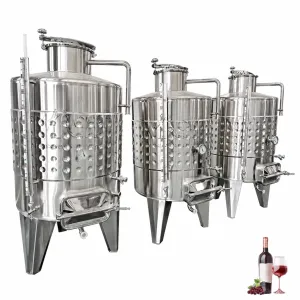
Wine Tanks
Leur classification: Fermentation EquipmentVues: 173Numéro:Temps de libération: 2026-09-08 16:35:24Wine TanksRed wine fermentation tank is core equipment for winemaking, dedicated to alcoholic fermentation and maceration of red wine. They are used to store wine during fermentation and help control wine temperature.DescriptionWine tanks are an indispensable component of winemaking. They store wine throughout fermentation and assist in temperature regulation of wine. Wine tanks come in a wide range of sizes and materials, including stainless steel, concrete and glass. They can be found in both small-scale and large-scale wineries and play a critical role in wine production. As an indispensabl...
Actualités
Catégorie:
Aucun résultat de recherche!
Affaire
Catégorie:
Aucun résultat de recherche!
Vidéo
Catégorie:
Aucun résultat de recherche!
Téléchargement
Catégorie:
Aucun résultat de recherche!
Recrutement
Catégorie:
Aucun résultat de recherche!
Produits recommandés
Aucun résultat de recherche!



 Téléphone